

Learn more about our product
Learn About Henna
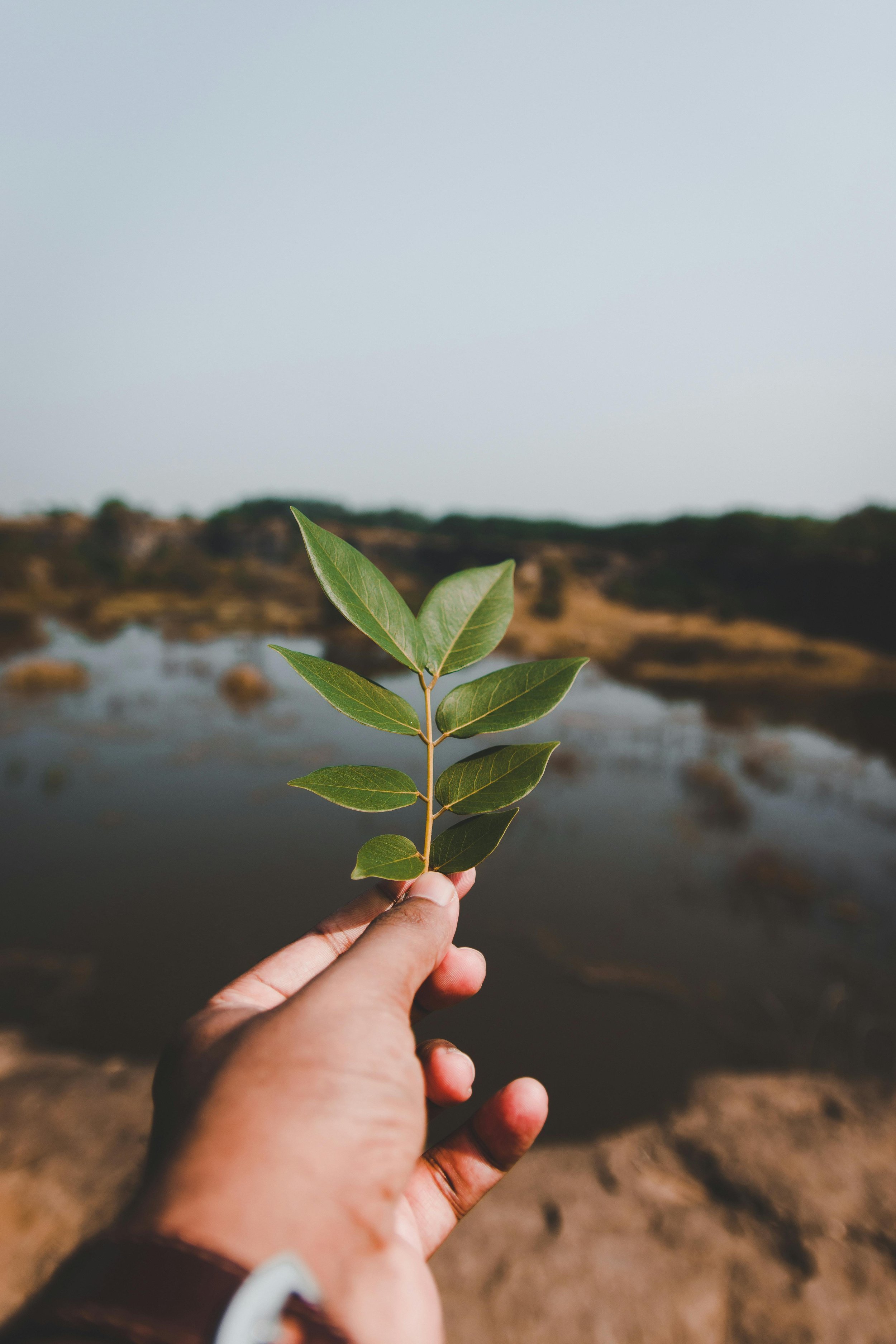
What is Henna Made Of?
Henna is made from the leaves of the Lawsonia inermis plant, grown in hot, dry regions such as India. The leaves are harvested, dried, and ground into a fine green powder. When mixed with liquid, this powder releases a natural dye that stains the skin hair and nails ranging from orange to deep brown. Quality henna is simply a plant-based powder with no PPd’s, additives or chemicals.
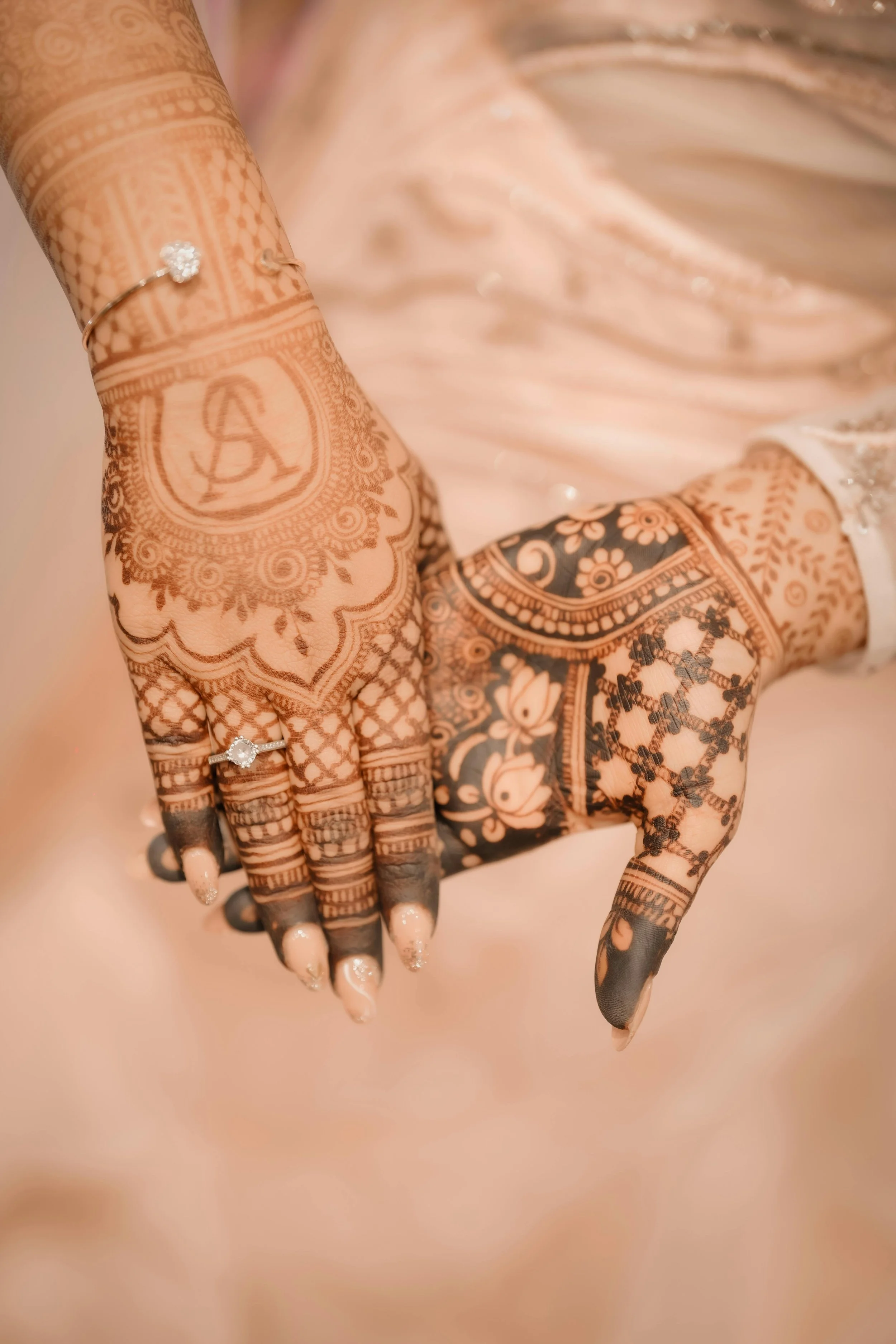
The Dye Behind Henna
Henna contains a natural dye called lawsone. When the paste is mixed, the dye is released and begins to stain. Unlike instant dyes, henna develops gradually over time.
After application, the stain starts as a light orange and deepens into a richer brown over the next 24 to 48 hours. The final result depends on the quality of the henna, how fresh the paste is, and how well it is applied and cared for.
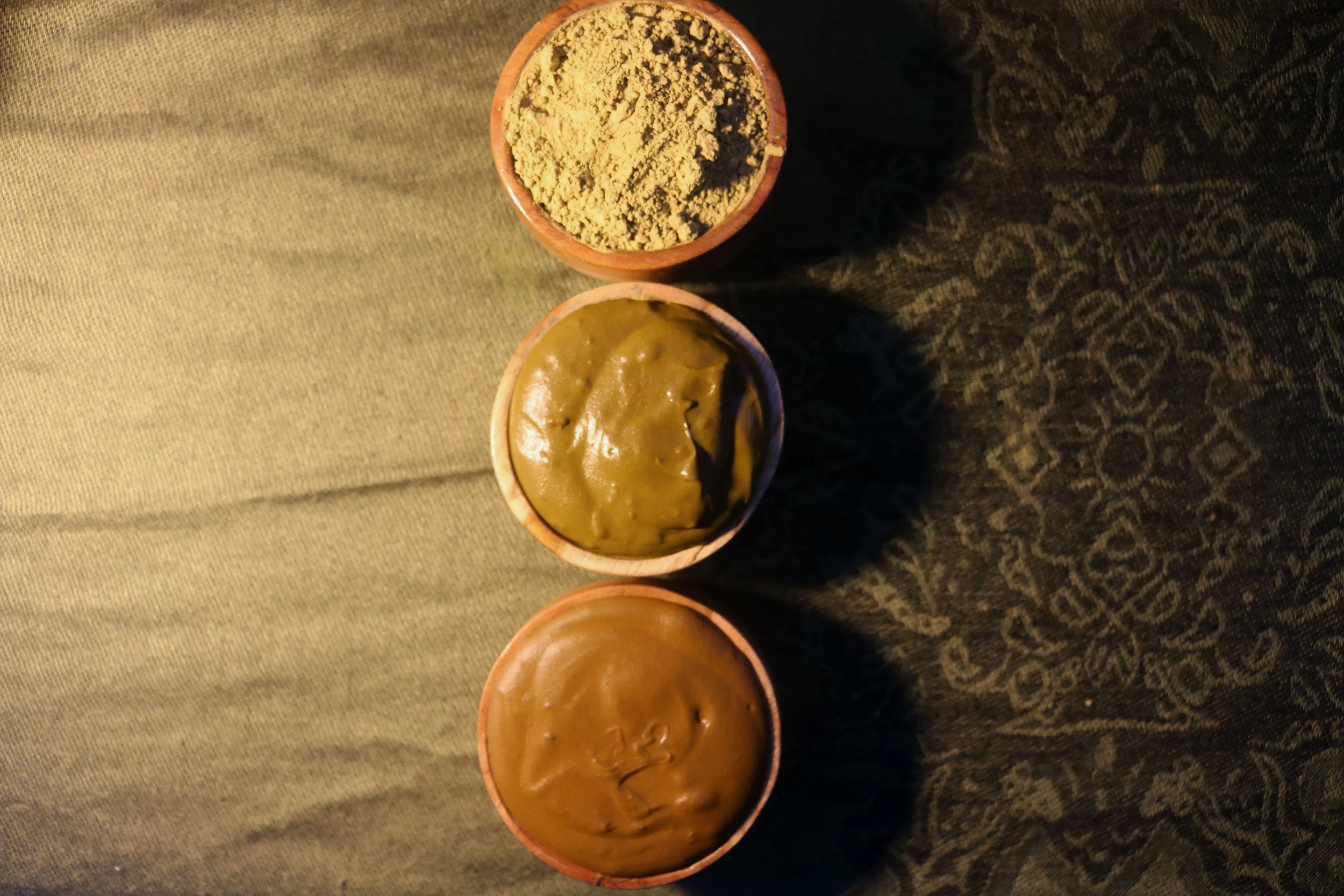
How Henna Works on Skin
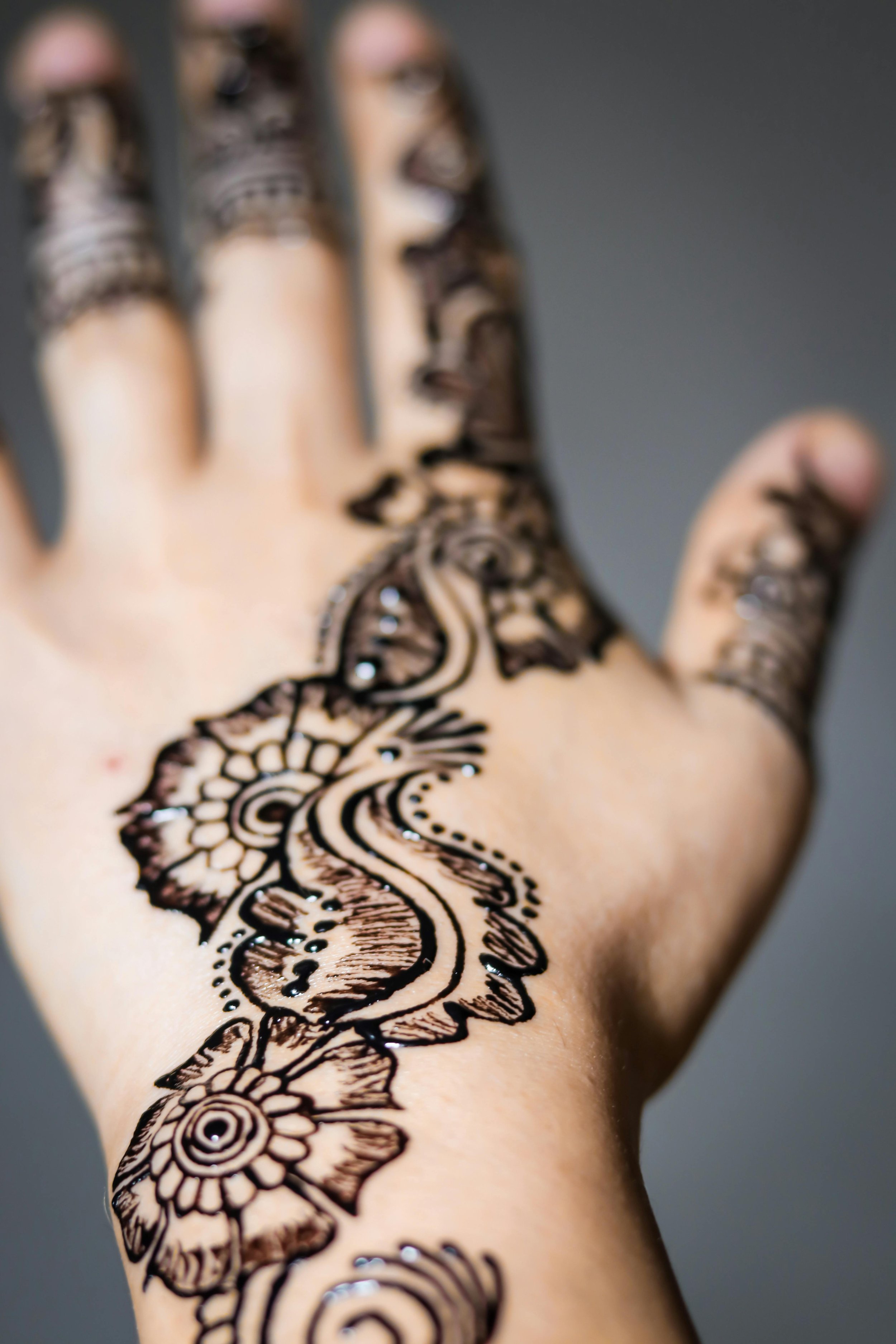
Henna sits on the surface of the skin and leaves a stain, rather than going in like a tattoo. Once the paste is removed, the colour starts light and darkens over the next day or two.
How dark it gets depends on where it’s applied, how long it’s left on, and the conditions. Hands and feet usually give the strongest colour. Leaving the paste on longer and keeping the area warm helps the stain develop better.
Over time, the stain fades on its own as the skin naturally sheds.
About Indigo
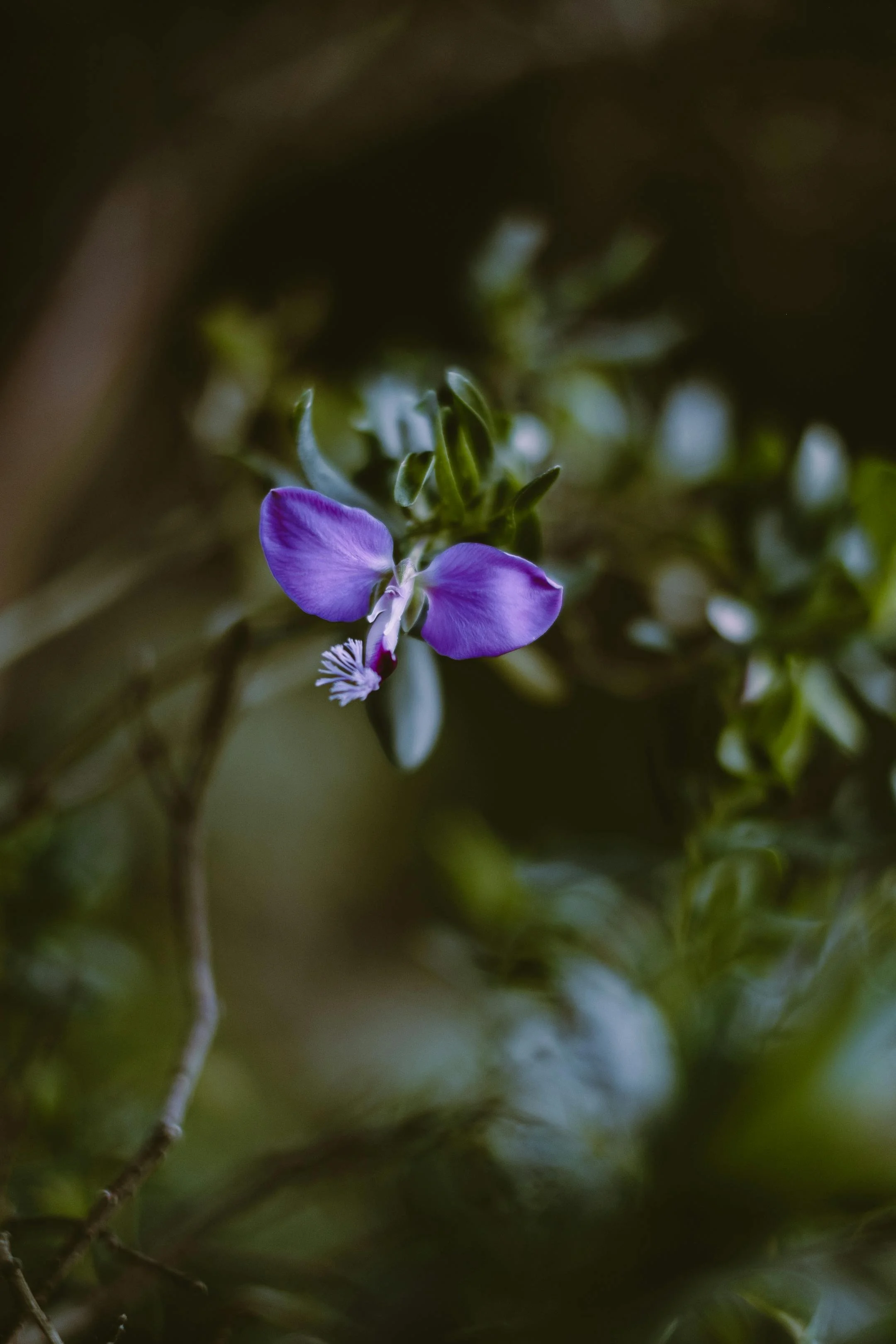
Indigo is a plant-based powder made from the leaves of the Indigofera plant. It’s mainly used for hair, and also as a natural dye for fabric. On its own, it gives a blue to dark tone and does not stain skin like henna.
For hair, indigo is usually used with henna. Henna is applied first to create a base, then indigo is applied to darken it to brown or black. The final colour depends on how it’s mixed and applied.
Indigo needs to be mixed fresh and used straight away, as the dye releases quickly. Good quality indigo is just pure plant powder, with no added chemicals or PPD.
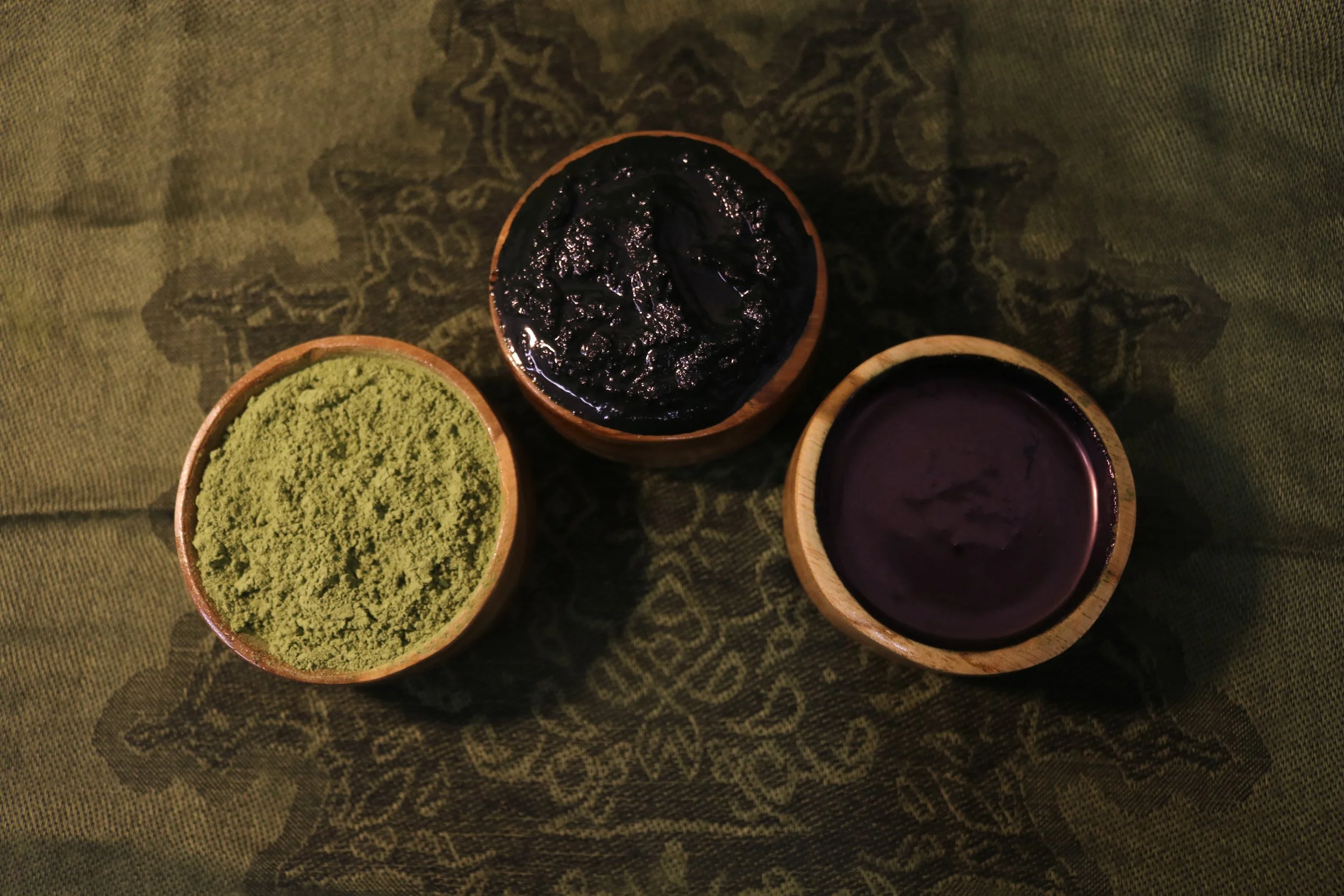
Indigo Stain & Mixing
Indigo produces a dark blue dye, but it doesn’t hold on skin the way henna does. It’s mainly used for hair, where it builds depth and darker tones.
When working with henna, indigo is used to shift the colour. Henna gives a warm base, and indigo pushes it darker. How dark it goes depends on timing, layering, and how it’s applied.
Indigo is mixed with water and needs to be used straight away. It doesn’t sit or develop like henna, so once it’s ready, it should be applied without delay.
Indigo Mixing Ratios (with Henna)
Light brown → 65% henna / 35% indigo
Medium brown → 50% henna / 50% indigo
Dark brown → 35% henna / 65% indigo
Black → 100% henna first, then 100% indigo (2-step)
About Jagua
Jagua is a natural dye made from the fruit of the Genipa americana tree. It’s used for body art and stains the skin a blue to dark colour, similar to a tattoo.
The gel is applied to the skin and left on for a few hours. After removal, the stain starts light and develops into a darker colour over the next 24 to 48 hours. It may last up to 3–4 weeks depending on skin type and care.
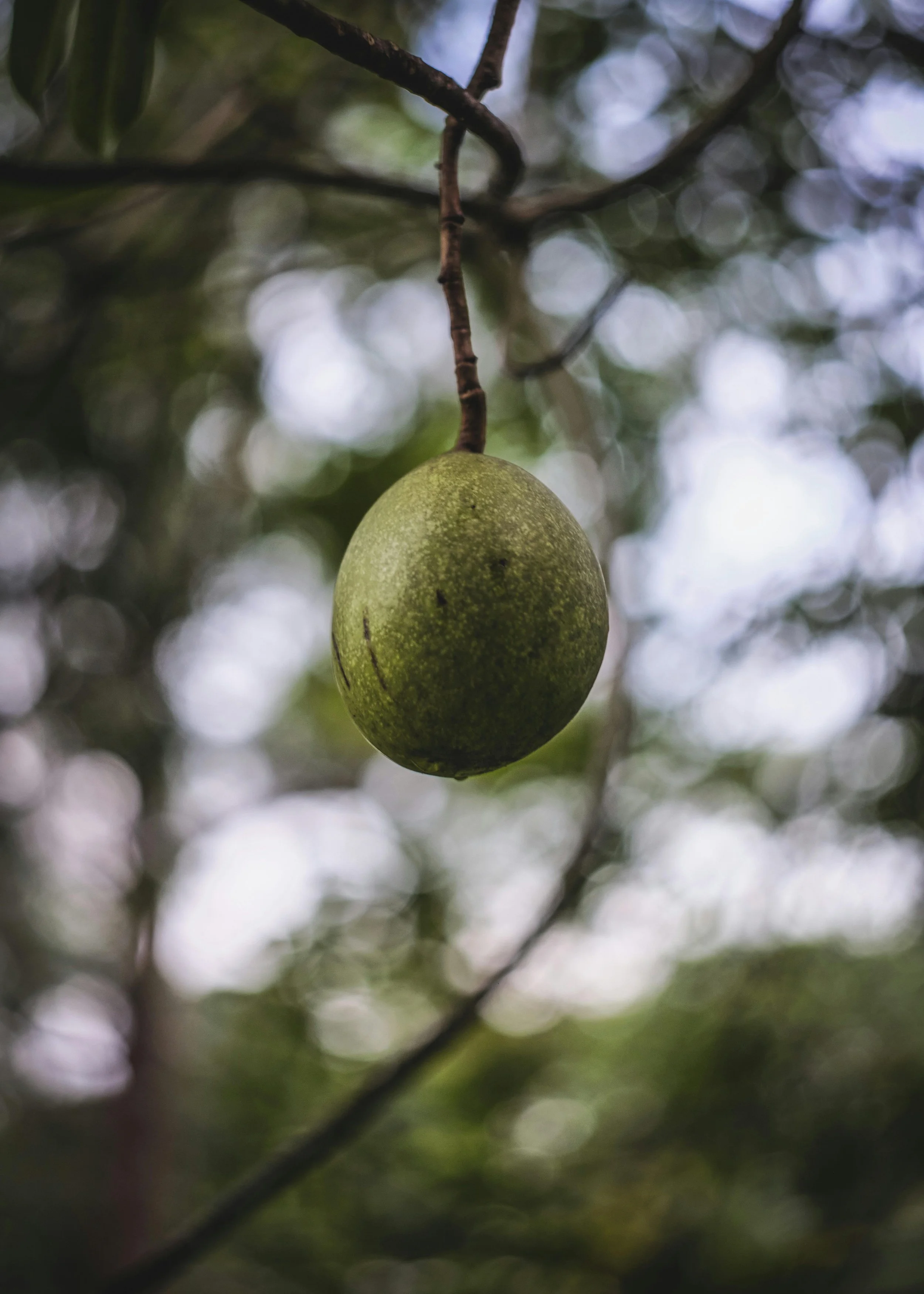
Jagua on Skin
Jagua behaves differently depending on where it is applied. Areas like hands, wrists, and feet usually develop a stronger, longer-lasting stain, while areas with more movement or friction may fade faster.
The stain sits on the outer layer of the skin and fades gradually with normal wear, washing, and skin renewal. Daily activity, skin type, and aftercare will all affect how dark the result becomes and how long it lasts.
Jagua is plant-based and free from PPD and added chemicals.
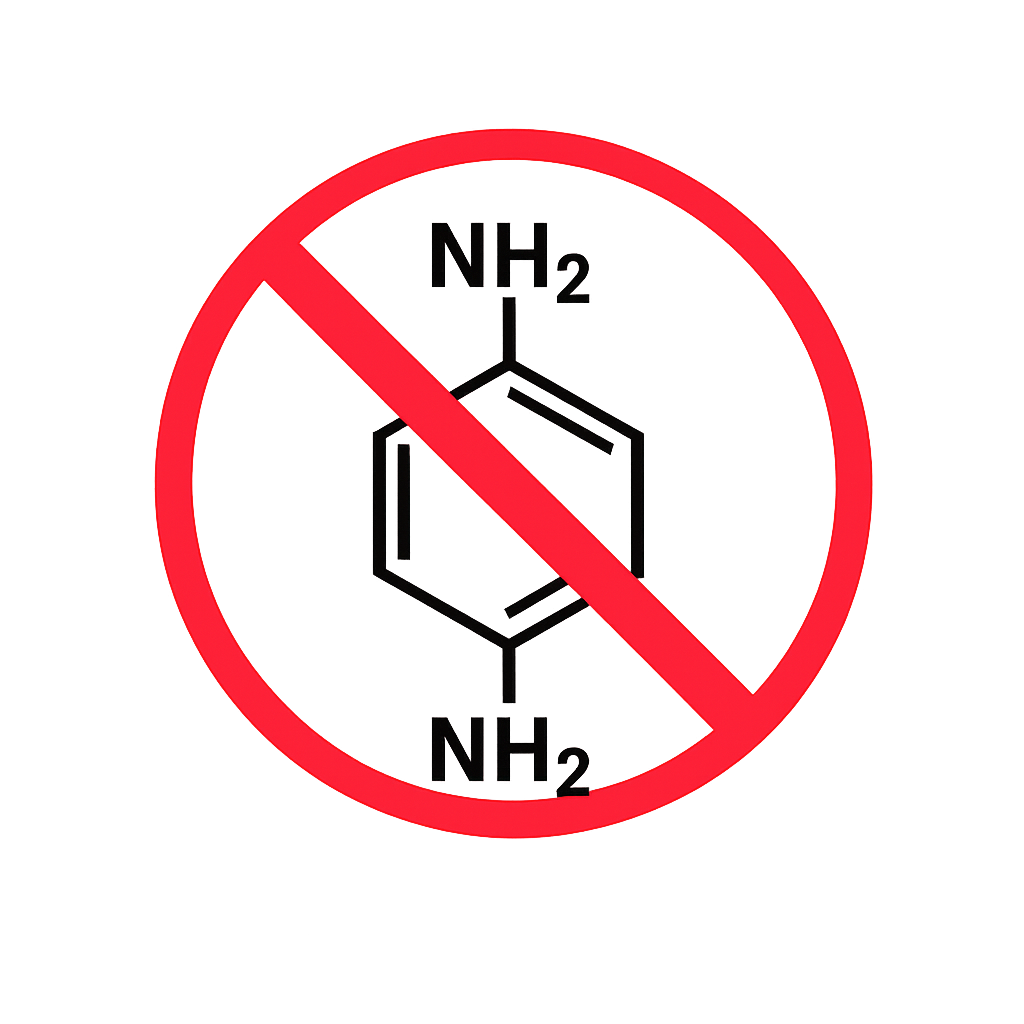
PPD & Safety
PPD (para-phenylenediamine) is a chemical dye sometimes added to “black henna” to create a darker stain. It can cause skin reactions such as irritation, burns, or allergies.
We do not use PPD in our henna, only natural, skin safe ingredients. Our products are lab tested to confirm they are free from PPD, so you can feel confident your henna experience is safe.
Temperature & Results
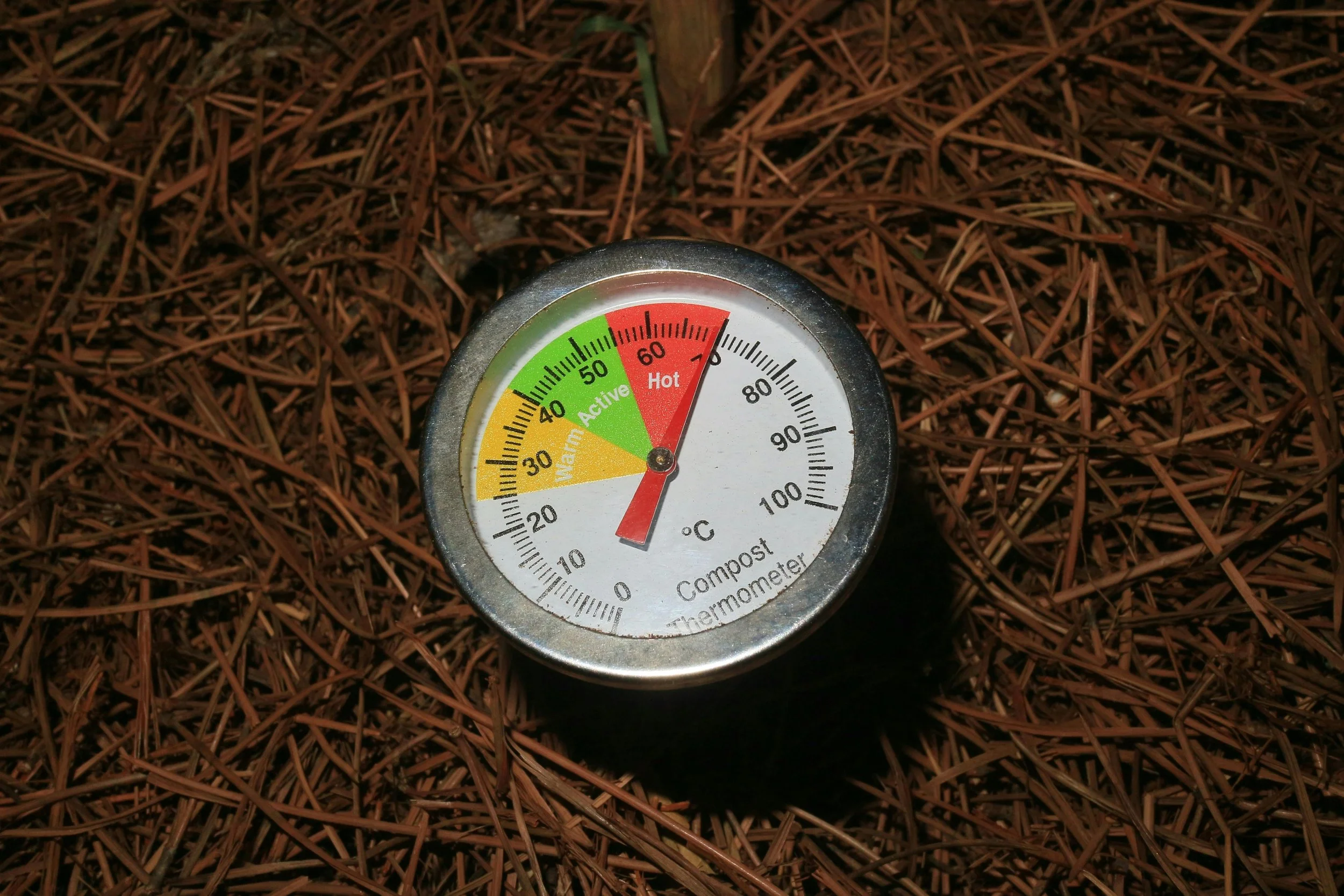
Warmth helps henna and jagua develop a deeper, stronger stain. When the skin is warm, the dye binds better and the colour develops more fully. In colder conditions, the stain may appear lighter and take longer to darken.
Natural dyes work best in warm, dry environments. Cooler temperatures can slow down the process and reduce the final depth of colour. Keeping the area warm while the paste or gel is on will generally give better results.
Too much heat can also affect the paste, especially if it causes sweating, which may disturb the design. If the paste dries too quickly, it may also limit how well the stain develops.
Mixing & Application
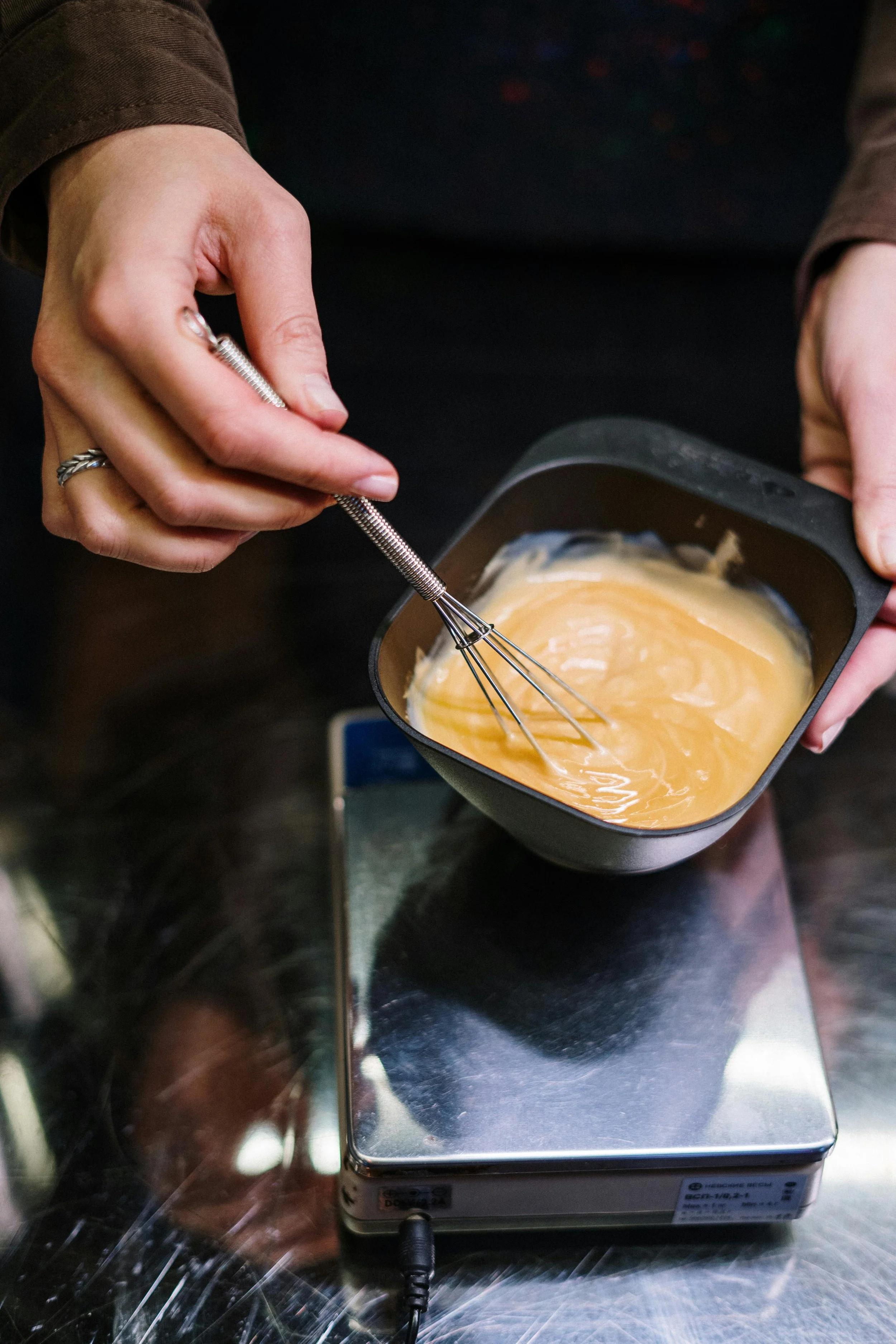
Working with henna depends on timing and consistency. As a natural product, it needs time to develop properly, and rushing the process can affect the final result.
Temperature plays a role in how it handles. In warmer conditions, it flows more smoothly through the cone, while in colder conditions it can thicken and be harder to control. If it becomes too hot, the mix can split and lose its consistency.
Small changes in consistency and conditions can make a noticeable difference to how the design applies and how the stain develops.
Frequently Asked Questions
Still have questions?
Take a look at the FAQ or reach out anytime. If you’re feeling ready, go ahead and apply.
-
A henna tattoo usually lasts 7–14 days. The stain develops over 24–48 hours, getting darker before it slowly fades as your skin renews.
It lasts longer on hands and feet, and fades faster on areas like arms or neck.
To make it last longer, keep the paste on for several hours, avoid water and friction in the first day, and keep the area moisturised with a natural balm or oil to protect the stain.
-
It’s normal for henna to appear bright orange at first. This is part of the natural staining process.
Over the next 24–48 hours, the colour will darken into a deeper brown as it oxidises on the skin.
The final colour depends on skin type and placement, with hands and feet developing the darkest stains.
-
Black henna isn’t real henna. It’s usually mixed with para-phenylenediamine (PPD) to create a very dark stain quickly. This chemical can cause skin reactions, including burns and long-term sensitivity.
Natural henna only stains the skin in shades of orange to brown, so anything that stains black isn’t natural and should be avoided.
-
To make your henna last longer, keep the paste on the skin for as long as possible and avoid water for the first 24 hours after removal.
Once the stain has developed, keeping the area moisturised with a natural oil or balm can help protect the colour and slow fading.
Try to avoid excessive washing, scrubbing, or friction, as henna fades as the skin naturally exfoliates.
-
Henna fades as your skin naturally sheds, but it can fade faster depending on body area, skin type, and conditions.
Areas with thicker skin like hands and feet hold colour longer, while thinner skin on the arms or body fades quicker.
Oily skin, frequent washing, friction, or swimming can also cause it to fade sooner.
Temperature plays a role too, as warmer skin helps the stain develop deeper while cooler conditions can result in a lighter, shorter lasting stain.